
Material bones / 10 cm x 3.5 cm

Material bones / 10 cm x 3.5 cm

Material bones / 10 cm x 3.5 cm

Material bones / 11 cm x 3 cm

Material bones / 10 cm x 3.5 cm
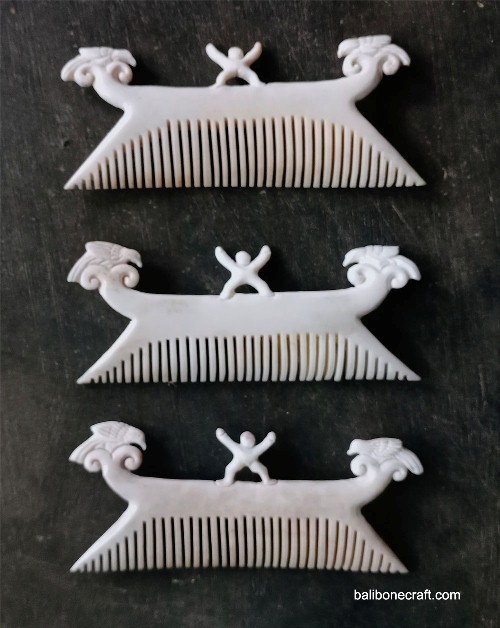
Material bones / 10 cm x 3.5 cm
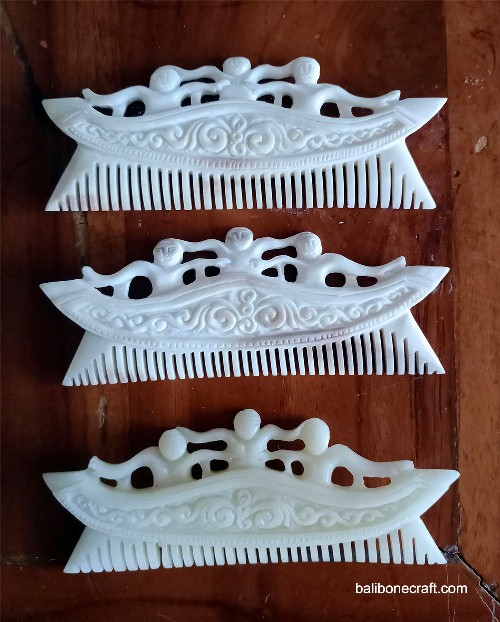
Material bones / 10 cm x 3.5 cm
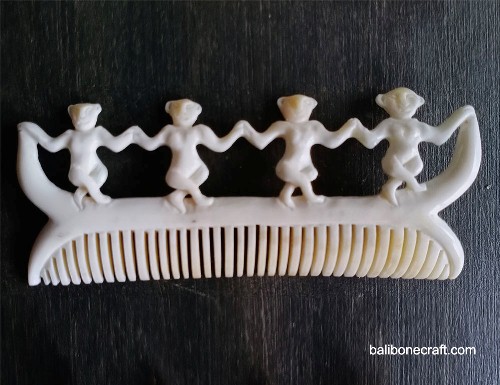
Material bones / 10 cm x 3.5 cm
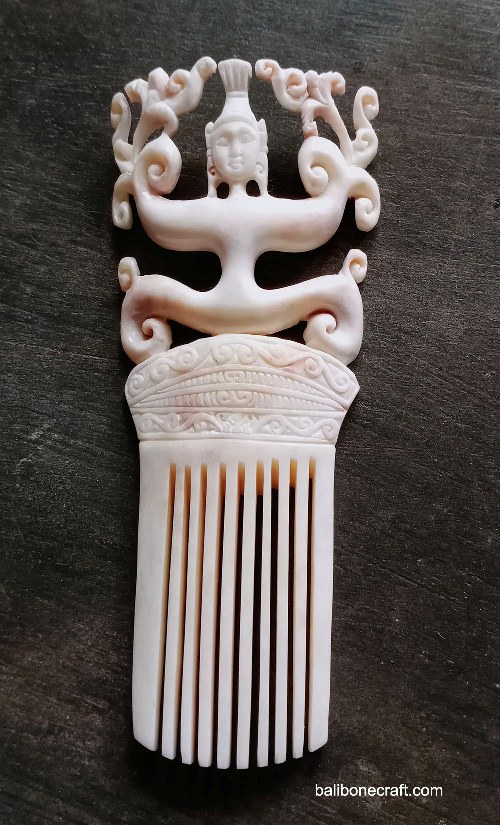
Material bones / 10 cm x 3.5 cm
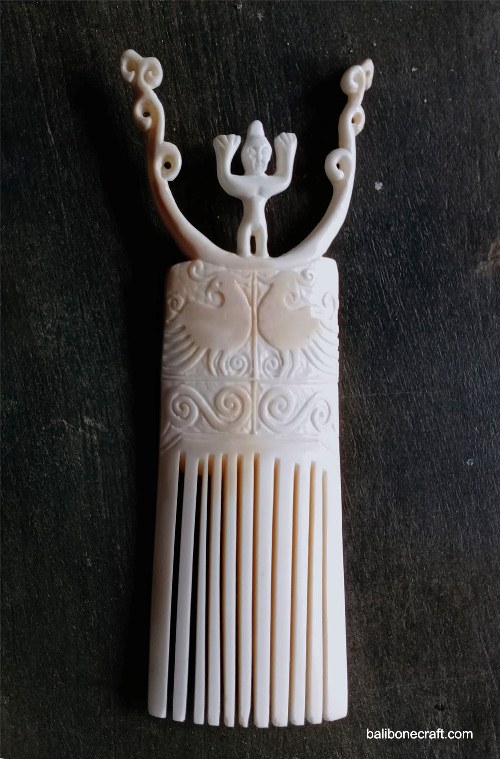
Material bones / 10 cm x 3.5 cm

Material bones / 10 cm x 3.5 cm
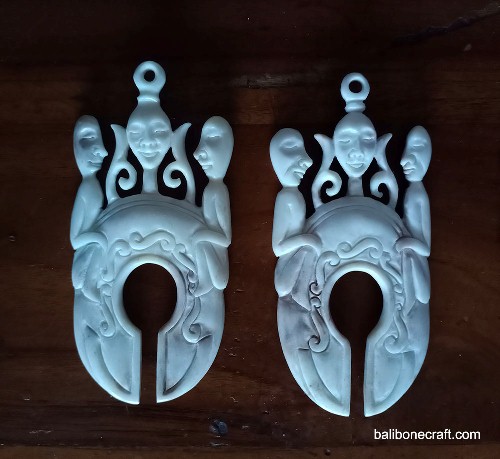
Material bones / 8 cm x 3 cm
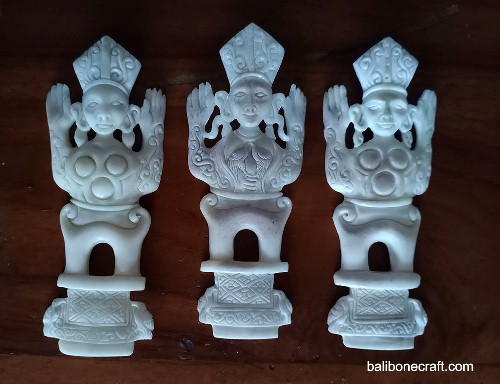
Material bones / 10 cm x 3.5 cm

Material bones / 10 cm x 3.5 cm
The Sultanate of Sulu (Tausug: Kasultanan sin Sūg; Malay: Kesultanan Suluk; Filipino: Kasultanan ng Sulu or Sultanato ng Sulu) was a Sunni Muslim Tausūg[b] state that ruled the Sulu Archipelago, coastal areas of Zamboanga City, and certain portions of Palawan in today’s Philippines, alongside parts of present-day Sabah and North Kalimantan in north-eastern Borneo.
At its peak, it stretched over the islands that bordered the western peninsula of Zamboanga in Mindanao in the east to Palawan in the north. It also covered areas in the northeast of Borneo, stretching from Marudu Bay, Sabahto Tepian, Sembakung subdistrict, North Kalimantan. Another source stated the area included stretched from Kimanis Bay, which also overlaps with the boundaries of the Bruneian Sultanate.Following the arrival of western powers such as the Spanish, the British, the Dutch, French, Germans, and the Americans, the Sultan thalassocracy and its sovereign political powers were relinquished by 1915 through an agreement, known as the Carpenter Agreement, that was signed with the United States.
In Kakawin Nagarakretagama, the Sultanate of Sulu is referred to as Solot, one of the countries in the Tanjungnagara archipelago (Kalimantan-Philippines), which is one of the areas that is under the influence of the mandala area of the Majapahit kingdom in the archipelago.