Tagua Nut, the vegetable ivory
Tagua (pronounced TAG-WAH) is a seed from a palm-like tree that grows in the tropical rainforests of Ecuador, Colombia, and Brazil. Also known as the “vegetable ivory” because of its rich ivory color and shiny texture, Tagua discourages the use of actual ivory in jewelry production.

Here some motif can be custom design or purchase our stock. contact us for details balibonecraft@gmail.com


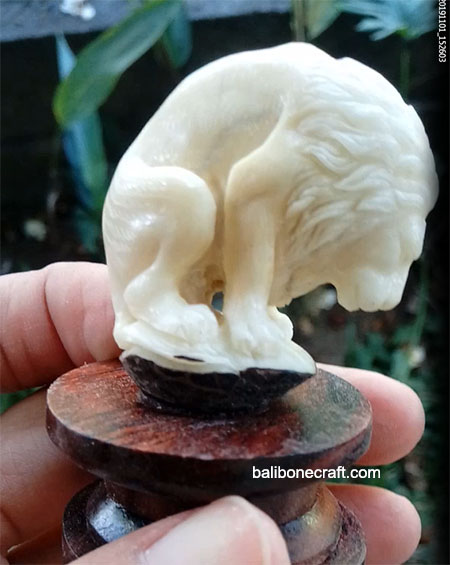


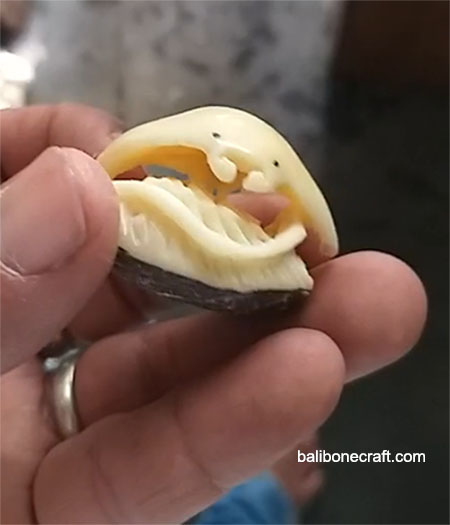
WHAT IS TAGUA NUT
Tagua, also known as “vegetable ivory” or corozo, is the hard, white seed of the Phytelephas macrocarpa palm tree native to South American rainforests. It is a sustainable, eco-friendly alternative to animal ivory used for jewelry, buttons, and carvings. When dried, it is durable and easily dyed, making it popular for fashion accessories.
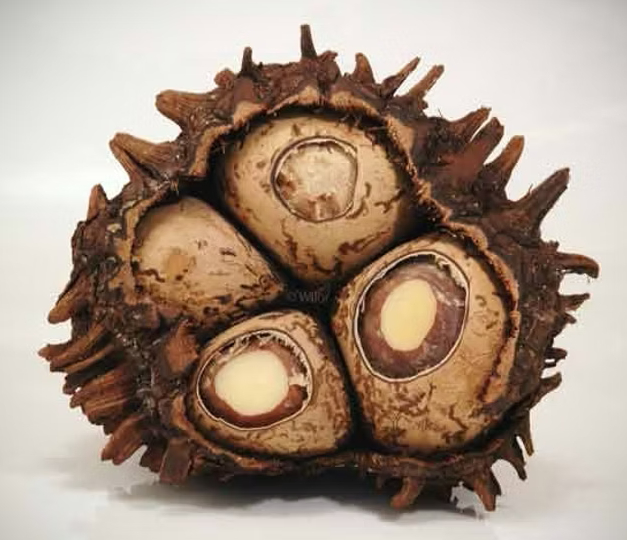
Origin: It grows in “moccocha” pods on palm trees in the Ecuadorian rainforest.
Sustainability: Harvested from the ground after falling, tagua supports local communities and protects elephants by providing a plant-based ivory alternative.
Characteristics: It has a similar hardness and appearance to animal ivory but is plant-based.
Uses: Commonly carved into jewelry (beads, necklaces), buttons, guitar picks, and decorative items like chess sets. Processing: The seeds are dried for 2-3 months to harden before being polished, dyed, or carved.
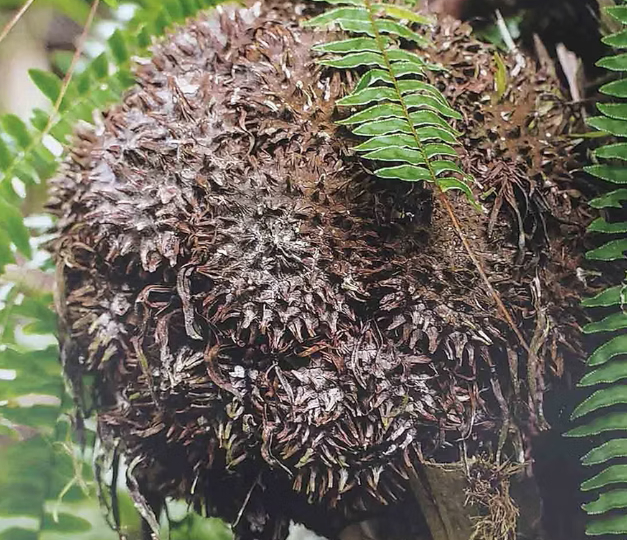
Tagua nuts comes from a magnificent, spiky fruit called the Moccocha that hangs in the palm trees of the Ecuadorian Andean rainforest.Within the forest, male palm trees with fascinating long strands of flowered buds germinate nearby female palm trees with its pollen. Eventually female palm trees produce these Moccocha spiky fruit. The fruit takes about 3 months to fully mature, where once pockets of endosperm are now hardened completely into what we know as Tagua nuts.